h1Tshirt Ruler Alignment Tool for Graphics & Crafts Projects/h1
h2First Impressions: A Practical Design Tool for T-shirt Layouts/h2
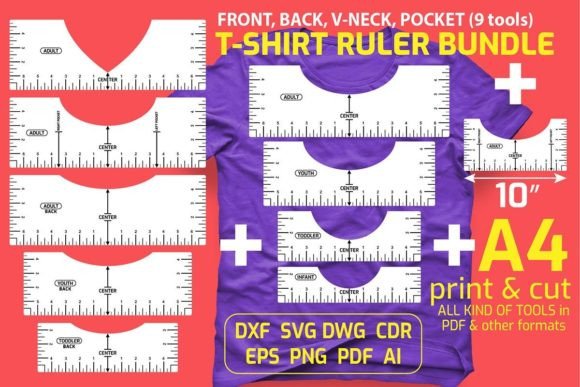
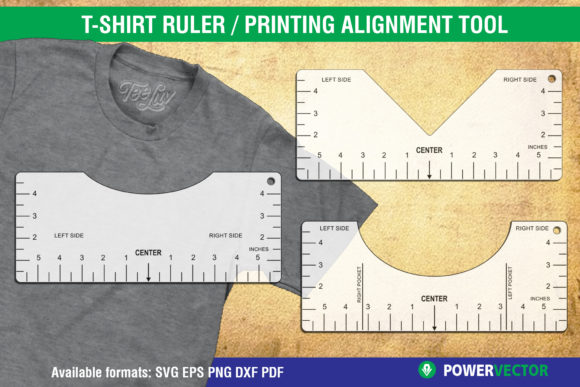
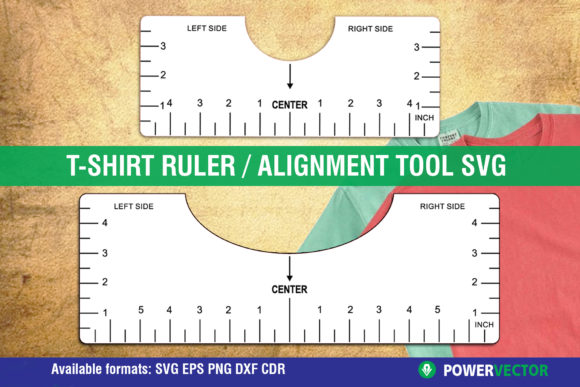
pWhen I first downloaded the Tshirt Ruler Alignment Tool, I was curious how it would hold up as a design asset for a client project involving a small handmade clothing brand. The ZIP file contained both SVG and DXF formats, which immediately made me think this would be useful across multiple design platforms like Cricut, Silhouette, and Glowforge. As a designer who frequently works with t-shirt layouts, packaging, and product mockups, having a clean, scalable alignment guide is essential. The ruler itself has a minimal, vector-based aesthetic that feels modern without being overly stylized — a good sign for versatility./p
h2How It Performs in Real Client Projects/h2
pI tested the Tshirt Ruler Alignment Tool on a recent project for a boutique summer clothing line launching on Etsy. The client needed consistent t-shirt designs across multiple styles and sizes, and this tool proved invaluable for aligning text, logos, and graphics precisely. It worked seamlessly in Adobe Illustrator and also scaled well when imported into Canva for the client’s DIY templates. I used it to create mockups for Instagram posts, packaging labels, and even printable hangtags — all of which benefited from the ruler’s clean, technical look./p
pIt’s also useful for designers working on product mockups or print-on-demand templates. Because the ruler is in vector format, it maintained clarity even when scaled up for large posters or scaled down for small sticker designs. That’s a big plus when you’re preparing assets for both digital and physical use./p
h2Best Use Cases for This Design Asset/h2
pThe Tshirt Ruler SVG really shines in projects where precision and alignment are key. Here are the areas where it adds the most value:
ul
liBrand identity kits that include measurement guides or scale references
/li
/li
/li
/li
/li
/li
/li
/ul
h2Where to Use It Carefully/h2
pWhile the Tshirt Ruler Alignment Tool is quite versatile, there are some contexts where it should be used with caution:
ul
liIn low-contrast color schemes where visibility is reduced
/li
/ul
pFor example, when I tried using it subtly in a black-and-white logo layout, it felt out of place and added unnecessary visual noise. It’s best used as a functional design element rather than a decorative one./p
h2How It Impacts Design Quality and Brand Perception/h2
pFrom a branding perspective, this ruler can subtly enhance professionalism. When used in packaging or product templates, it gives the impression of precision and attention to detail — important for handmade businesses trying to build trust with customers. It also helps maintain consistency across multiple designs, which supports brand recognition and visual hierarchy./p
pI noticed that in client presentations, showing the alignment guide in use gave the impression that the design process was thoughtful and well-structured. That’s a small but powerful detail when you’re trying to convey a sense of craftsmanship and quality./p
pBefore incorporating the Tshirt Ruler Alignment Tool into a commercial project, here are some checks I always run:
ul
liConfirm that the licensing allows for commercial use, especially for print-on-demand or Etsy shops
/li
/ul
pOne thing I appreciated was that the file structure was clean and organized. No unnecessary layers or embedded effects, which makes it easy to integrate into existing design workflows./p
h2Final Thoughts: A Useful Addition to Your Creative Toolkit/h2
pOverall, the Tshirt Ruler Alignment Tool is a solid graphic design asset for designers working with t-shirt layouts, packaging, or product templates. It’s especially helpful for small business branding, Etsy sellers, and print-on-demand creators who need consistent, scalable visuals. While it’s not a decorative element, its functional design makes it a valuable tool in the right context./p
pIf you're preparing assets for a client who needs precise layout guidance — whether for digital use, Cricut projects, or printable designs — this ruler is worth considering. Just make sure to test it thoroughly in your design environment and confirm that it supports the visual tone and professionalism your client expects./p