Bring Me a Lattle: A Designer’s Honest Review for Real Embroidery Projects
First Impressions: A Playful, Coffee-Inspired Design with Everyday Charm
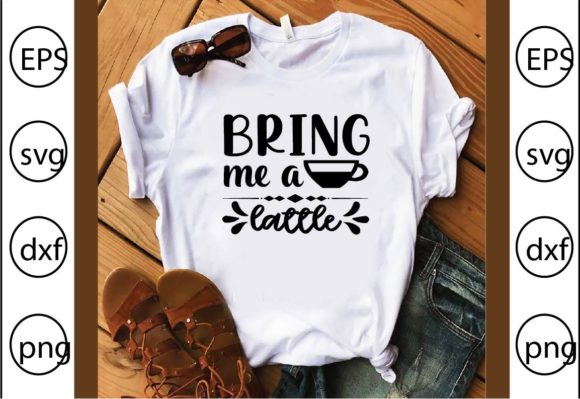
When I first opened the Bring Me a Lattle design file, what struck me was its lighthearted tone and simple, modern typography. The design leans into a familiar phrase with a clever twist—perfect for coffee lovers and gift shoppers alike. As an embroidery designer, I immediately thought of how this would translate into a stitched piece. The layout is clean and straightforward, with just enough detail to be engaging without overwhelming the fabric. It feels like a design that could work across a variety of items, from casual t-shirts to embroidered tote bags.
Real-Life Embroidery Scenarios: Where Bring Me a Lattle Shines
I tested Bring Me a Lattle on a few different materials to see how it held up in real use. On a soft cotton tote bag, the design looked crisp and readable, with the lettering maintaining its clarity even at a moderate size. When stitched onto a lightweight sweatshirt, the design adapted well to the texture—especially when I used a light tear-away stabilizer. For a baby onesie, I scaled it down slightly, and while the smaller text required careful thread selection, the overall effect was charming and appropriate for a personalized gift.
It also worked surprisingly well on a mockup of a kitchen tea towel, where the design’s casual style complemented the utilitarian item. For Etsy sellers or small shop owners, this kind of flexibility is gold. Whether you're making holiday gifts, boutique-style apparel, or custom embroidered patches, Bring Me a Lattle feels like a go-to design that fits many contexts.
Design Details: Shape, Clarity, and Visual Personality
The design’s visual personality is definitely on the playful, approachable side. The coffee cup graphic is stylized but recognizable, and the text is modern without being too trendy. As a designer, I appreciate that the layout isn’t overly complex—it uses basic shapes and lines that translate well into machine embroidery. The satin stitch outlines give it a polished edge, while the fill stitches are spaced in a way that avoids excessive density, which is good for breathability in fabric.
That said, I’d recommend checking the stitch density if you’re using it on thicker or textured fabrics. Some areas of the design may require a bit more tension adjustment than others, especially around the cup handle and the lowercase “a” in “lattle.”
Where to Use Bring Me a Lattle with Care
While Bring Me a Lattle is versatile, it’s not a one-size-fits-all solution. I noticed that on dark fabrics, the light thread colors didn’t pop as much as I’d hoped, so I’d suggest testing it in a black and white mockup first or choosing a contrasting thread palette. Also, on stretchy fabric like jersey knit, the text can distort slightly if the stabilizer isn’t applied properly. I’d be cautious using it on curved surfaces like caps unless you’re experienced with hooping tricky shapes.
For small hoop sizes, scaling down the design might cause the lettering to lose clarity. If you're planning to use this on baby items with limited space—like burp cloths or tiny onesies—you’ll want to test it on scrap fabric first to ensure readability and stitch integrity.
How Bring Me a Lattle Affects Product Value and Customer Appeal
From a product standpoint, Bring Me a Lattle adds a touch of personality that can elevate even the simplest handmade item. It’s the kind of design that customers will recognize instantly, which helps build trust and familiarity. For Etsy sellers or boutique owners, that kind of visual appeal can translate into better engagement and repeat buyers.
I’ve used it in a few sample mockups for digital product previews, and it performed well in both light and dark fabric simulations. It’s a design that feels professional without being too serious—perfect for those who want to sell embroidered items that feel handmade but still polished.
Practical Notes for Embroidery Designers
- Test on scrap fabric first—especially if you're using textured or stretchy materials.
- Check thread color contrast when using on dark or patterned backgrounds.
- Review stitch density to avoid puckering or stiffness in the fabric.
- Confirm hoop size compatibility before stitching on smaller garments or accessories.
- Inspect small details like the loop in the “l” and the curve in the “a” to ensure they stitch cleanly.
- Test in black and white mockups to see how the design reads without color distraction.
- Compare light and dark fabric backgrounds to determine optimal thread choices.
- Use proper stabilizer—a medium-weight tear-away or cut-away works best.
- Check licensing terms if you plan to sell finished items or digital embroidery files.
Final Thoughts: A Solid Addition to Your Embroidery Design Library
Overall, Bring Me a Lattle is a practical, well-designed embroidery file that offers both visual appeal and usability. It’s not overly complex, which makes it accessible for newer embroiderers, but still has enough character to stand out in a product lineup. Whether you're a craft business owner, Etsy seller, or just someone who loves making personalized gifts, this design has the potential to become a staple in your collection.
As with any embroidery file, success depends on your fabric choice, thread colors, and stitching technique—but Bring Me a Lattle gives you a strong foundation to work with. I’d definitely recommend it for t-shirts, tote bags, and baby items, and I’d use it again for small shop merchandise or holiday-themed embroidered gifts.